

Fulfilling and secure retirement lifestyle
Comprehensive support and services to enhance senior living quality
Discover solutions for mobility, health, financial planning, and leisure, ensuring seniors remain independent and active.
Aging in place independently and securely
Senior well-being
Senior living communities and care services

Seniors access diverse retirement communities for living securely. Depending on care needs, choices include independent living, assisted living, specialized memory care, or skilled nursing facilities. These campuses offer services ranging from personal care to comprehensive medical supervision, plus recreational activities maintaining physical and mental well-being.
Furthermore, in-home care and respite services allow seniors to age in place while benefiting from customized aid. These solutions combine safety and support, improving quality of life and promoting lasting autonomy.

– 01
Preventative medical monitoring for a healthy longevity
Routine wellness visits play a central role for older adults, helping prevent chronic diseases, diagnose issues early, and adapt existing treatments.
Through annual check-ups and comprehensive assessments, geriatricians identify risk factors, prescribe personalized solutions, and provide ongoing support. This oversight covers physical and behavioral health, detecting depression or cognitive impairment early. It promotes independence, enhances quality of life, and provides peace of mind, allowing seniors to live peacefully while remaining engaged in daily activities.
– 02
Navigating healthcare coverage and financial planning
Understanding health insurance deductibles is crucial for managing retirement budgets effectively.
Federal programs like Medicare and Medicaid provide foundational coverage but have strict eligibility requirements. Medigap plans and dedicated long-term care insurance fill gaps, funding services like custodial care in skilled nursing facilities or in-home personal care. Reviewing policy details is essential to understand out-of-pocket costs, deductibles, and covered benefits.


– 03
The role of mobility aids and daily living support
Mobility aids are essential for maintaining autonomy and safety for individuals with limited range of motion.
Devices such as rollators, canes, and wheelchairs provide stability for navigating the home. For significant mobility challenges, mobility scooters and power chairs offer freedom over longer distances. Selecting equipment requires assessing the user’s physical condition, living environment, and lifestyle to ensure the device is effective and comfortable for daily use.
Adapting the home for safety and aging in place
Modifying a home enables individuals to age in place safely. These adaptations reduce fall hazards and improve accessibility. Common renovations range from simple installations to structural changes, accommodating changing mobility needs. The goal is creating a barrier-free environment that enhances autonomy while minimizing injury risks, particularly falls.
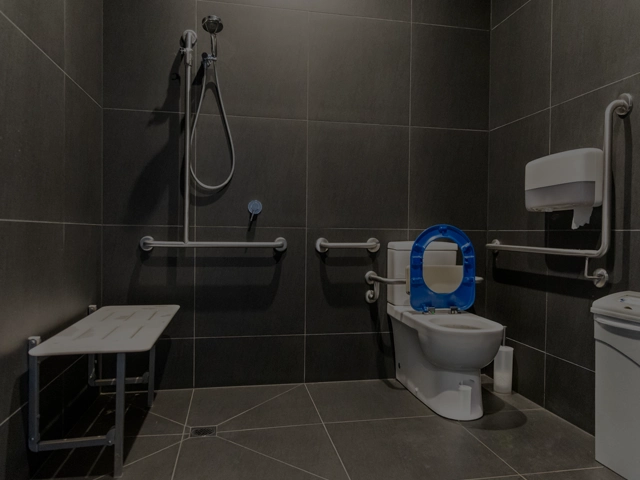
Bathroom safety upgrades
Installing suction grab bars, walk-in tubs, and anti-slip flooring.

Entryway and hallway adaptations
Adding threshold ramps for easy access and improving lighting.
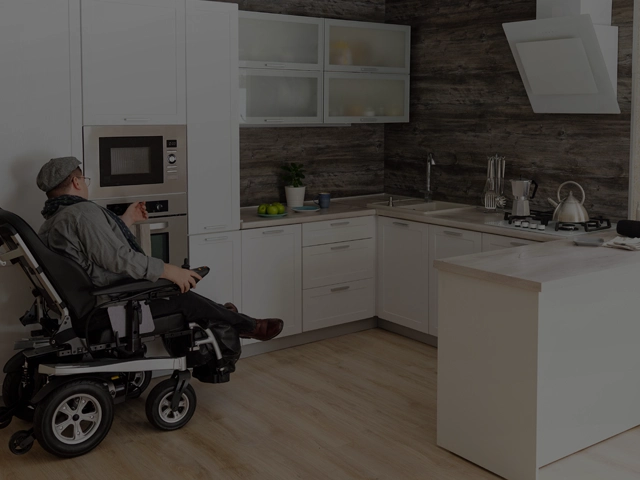
Kitchen accessibility features
Lowering countertops and installing pull-out shelves.
Implementing remote care and safety technologies
Innovative solutions for vital signs monitoring
PERS systems with automatic fall detection summon emergency responders instantly, providing peace of mind for families. Telemedicine services enable remote consultations with specialists, making it easier to manage chronic conditions without leaving home. Smart home sensors monitor daily activity patterns and send notifications if unusual changes are detected, offering non-intrusive well-being tracking.
The essential role of family caregivers
Home aides play a key role by providing support tailored to physical needs. They assist with ADLs such as hygiene, meal prep, and transportation, promoting safety at home. Their presence reduces social isolation, encourages engagement, and ensures medication adherence. By collaborating with nurses and adapting to specific needs, they improve the quality of life and maintain psychological well-being.
Leisure and community activities to enrich lives
Practising appropriate hobbies allows seniors to stay active, stimulate their minds, strengthen physical health, and create social connections to combat loneliness.

Low-impact physical activities and stretching
Walking, chair yoga, or water aerobics help seniors stay mobile, improve balance, and maintain cardiovascular health.

Cognitive and creative leisure activities
Participating in art workshops, playing brain games, or taking music lessons stimulates memory and fosters neuroplasticity.
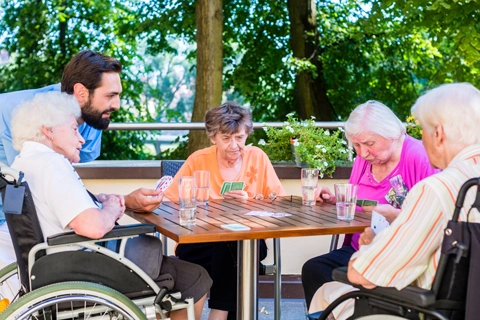
Social and cultural leisure activities
Cultural outings, book clubs, or organized excursions allow seniors to foster social connections and combat isolation.